
Owner-side judgment for the buildings where care happens.
Niner Health advises the organizations that plan, fund, and build healthcare facilities — testing the program, the budget, and the delivery plan before capital is committed, and holding the owner's position once it is.
Healthcare projects are decided by people who are not in the construction meeting.
Clinical leaders, regulators, equipment vendors, infection preventionists, facilities teams, and lenders each hold part of the answer. The schedule and the budget depend on all of them agreeing, in the right order.
A department that must keep treating patients while it is rebuilt. A state review that sets the start date. Imaging equipment chosen after the room was drawn. A survey the building has to pass before it can open. None of these is a construction problem, and each one can move the whole project.
Niner Health sits on the owner's side of those decisions, and nowhere else.
Six kinds of care facility, one owner-side discipline.
Different regulators, different occupants, different equipment. The same need for someone whose only interest is the owner's.
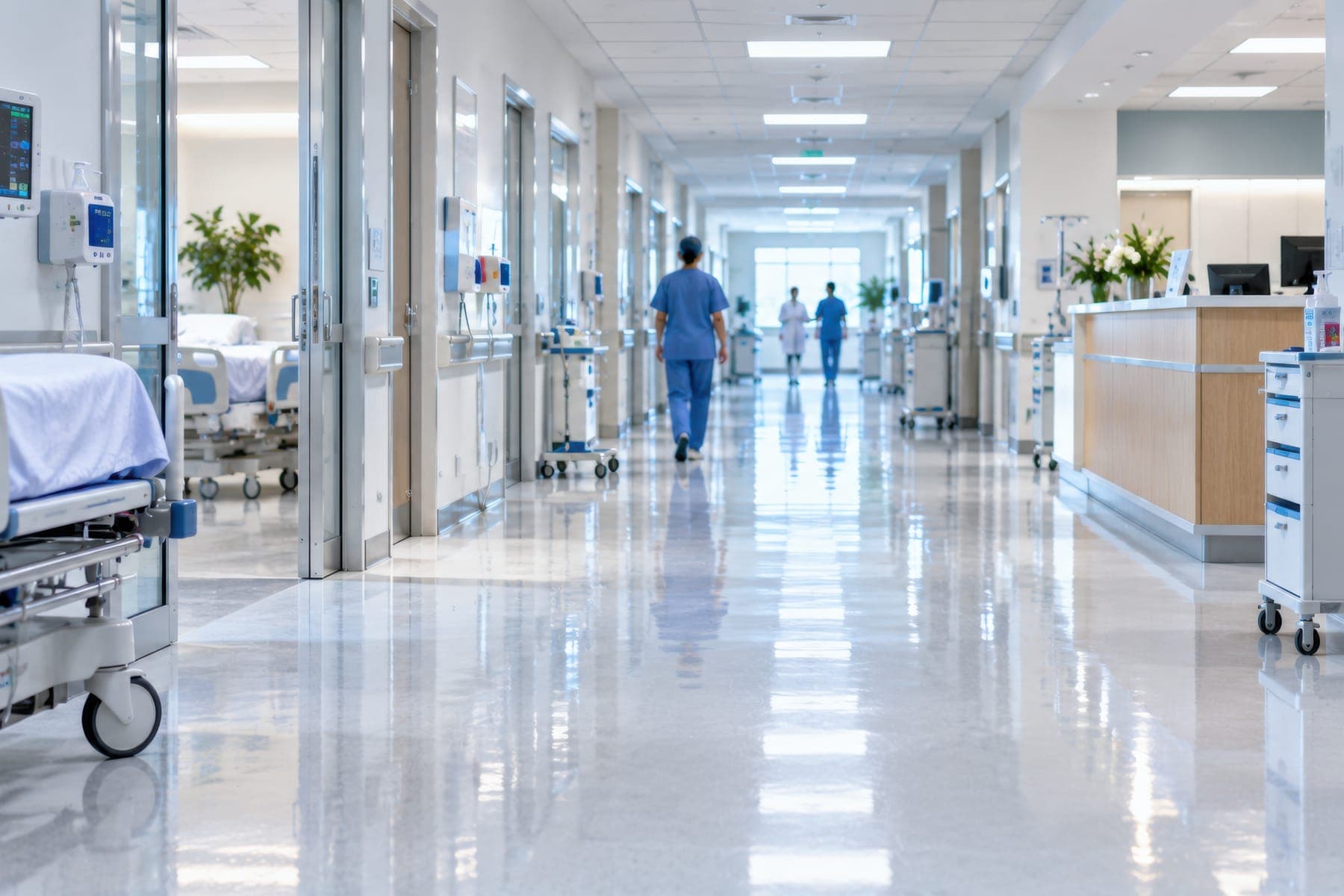
Hospitals & Health Systems
Towers, additions, renovations, and the central plant and infrastructure behind them — inside buildings that never close, where patients, surveyors, and plan reviewers all shape the schedule.
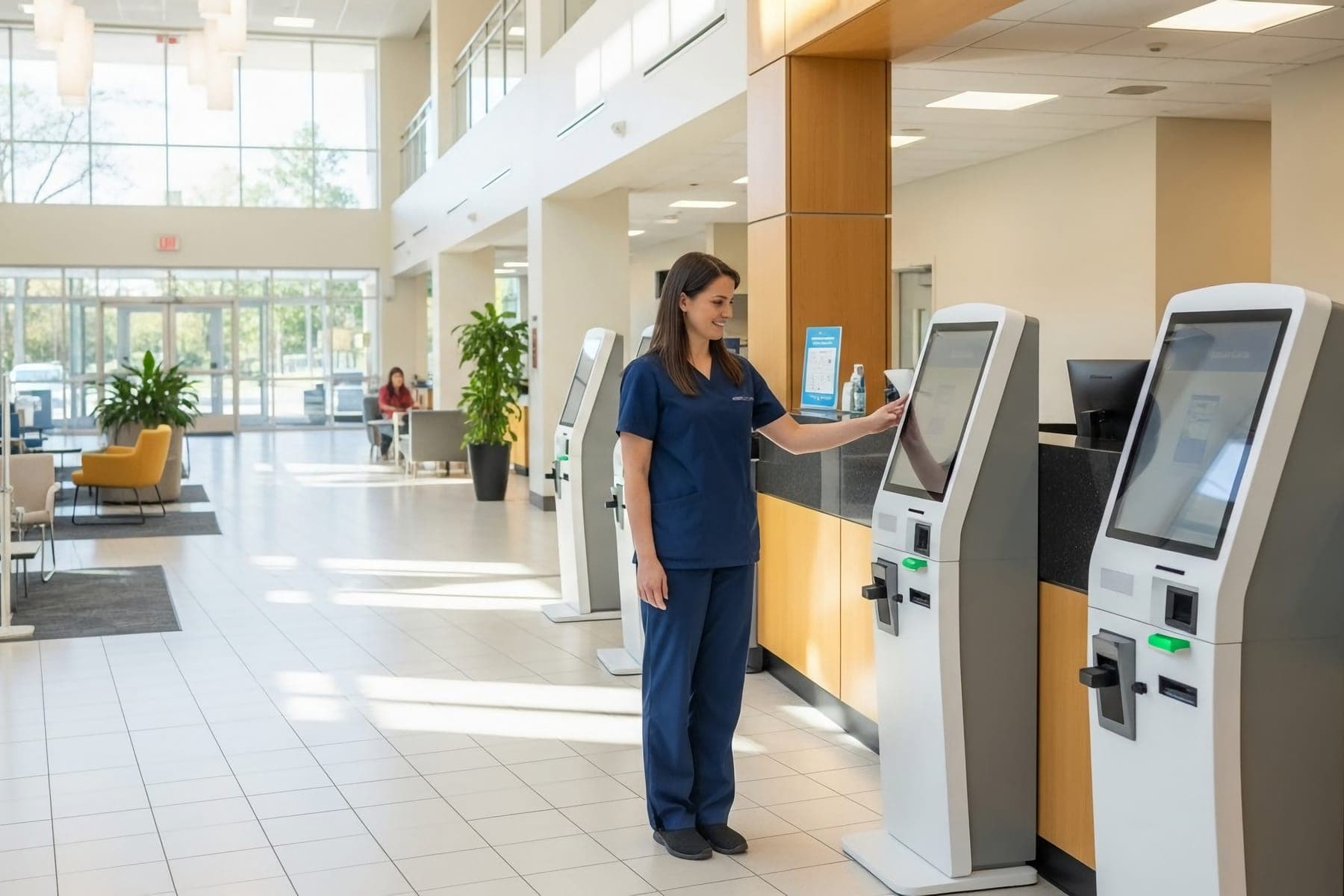
Ambulatory & Outpatient
Surgery centers, urgent care, clinics, dental practices, and medical office buildings — fast programs where licensure class and tenant fit-out decide the timeline.
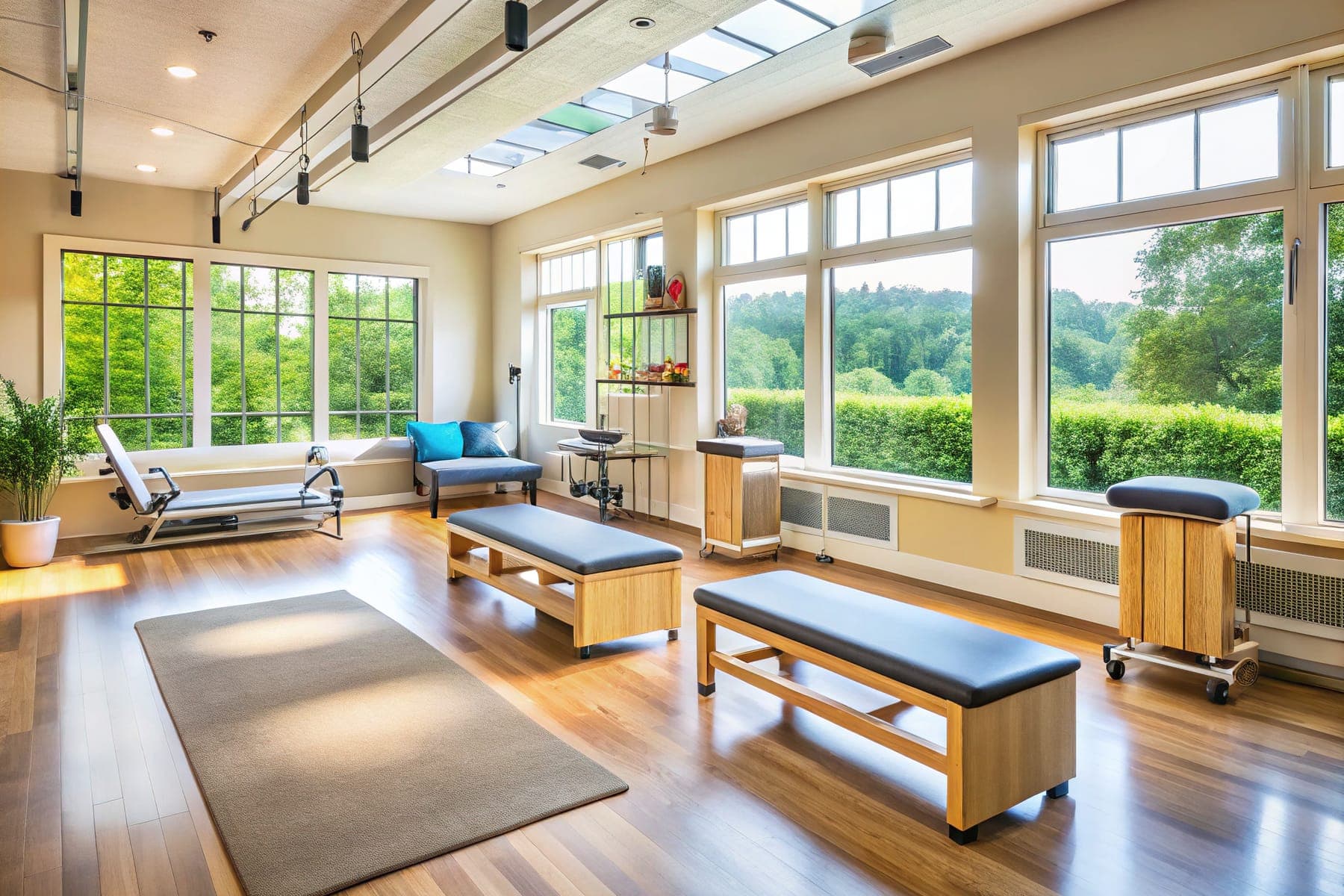
Behavioral & Psychiatric Facilities
Inpatient psychiatric units, crisis centers, and residential treatment — where patient safety decisions change the building and cannot be left to the end.
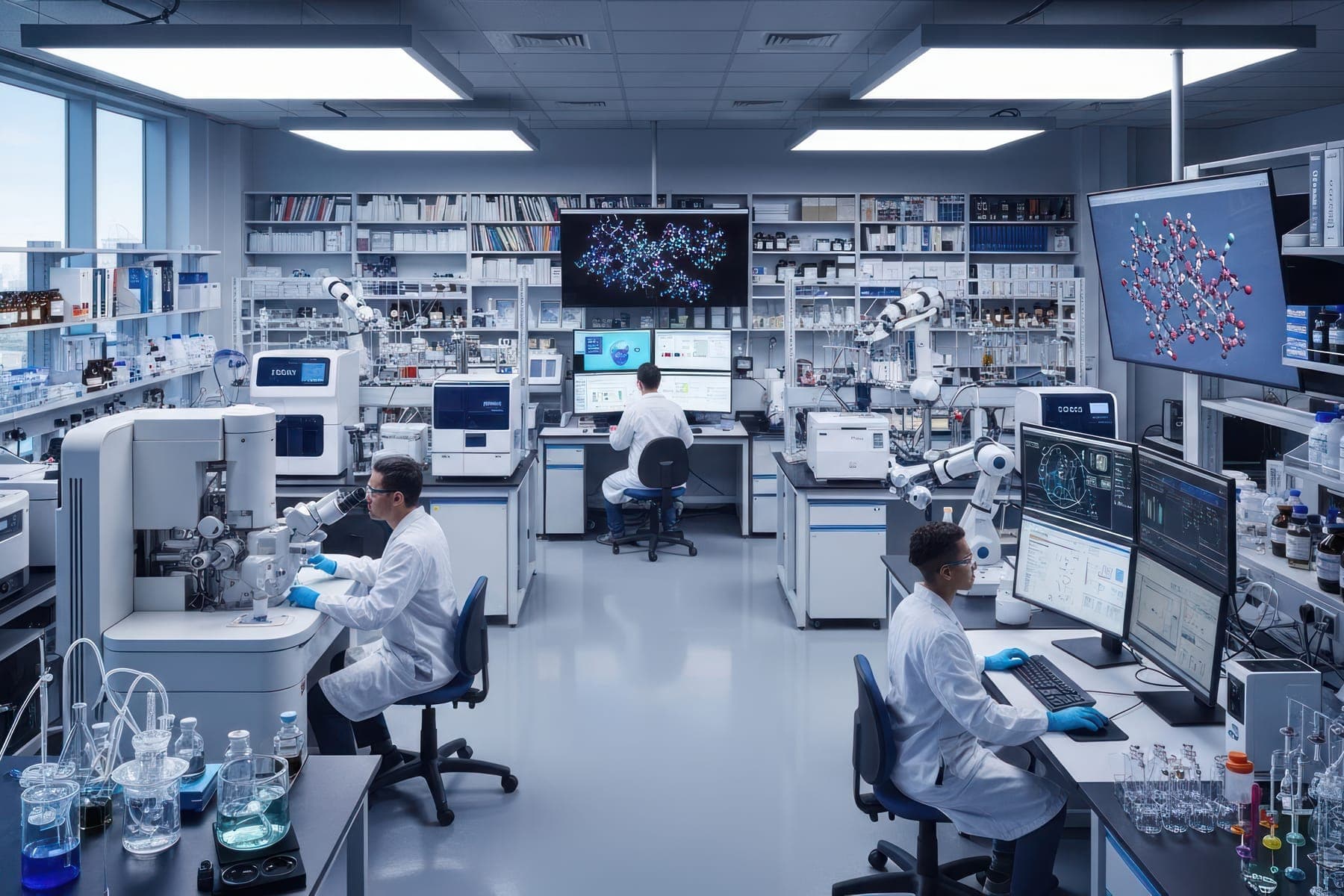
Academic Medical Centers & Biomedical Research
Research laboratories, vivariums, and clinical-academic buildings — where the systems behind the walls cost more than the walls, and the users change with every grant.
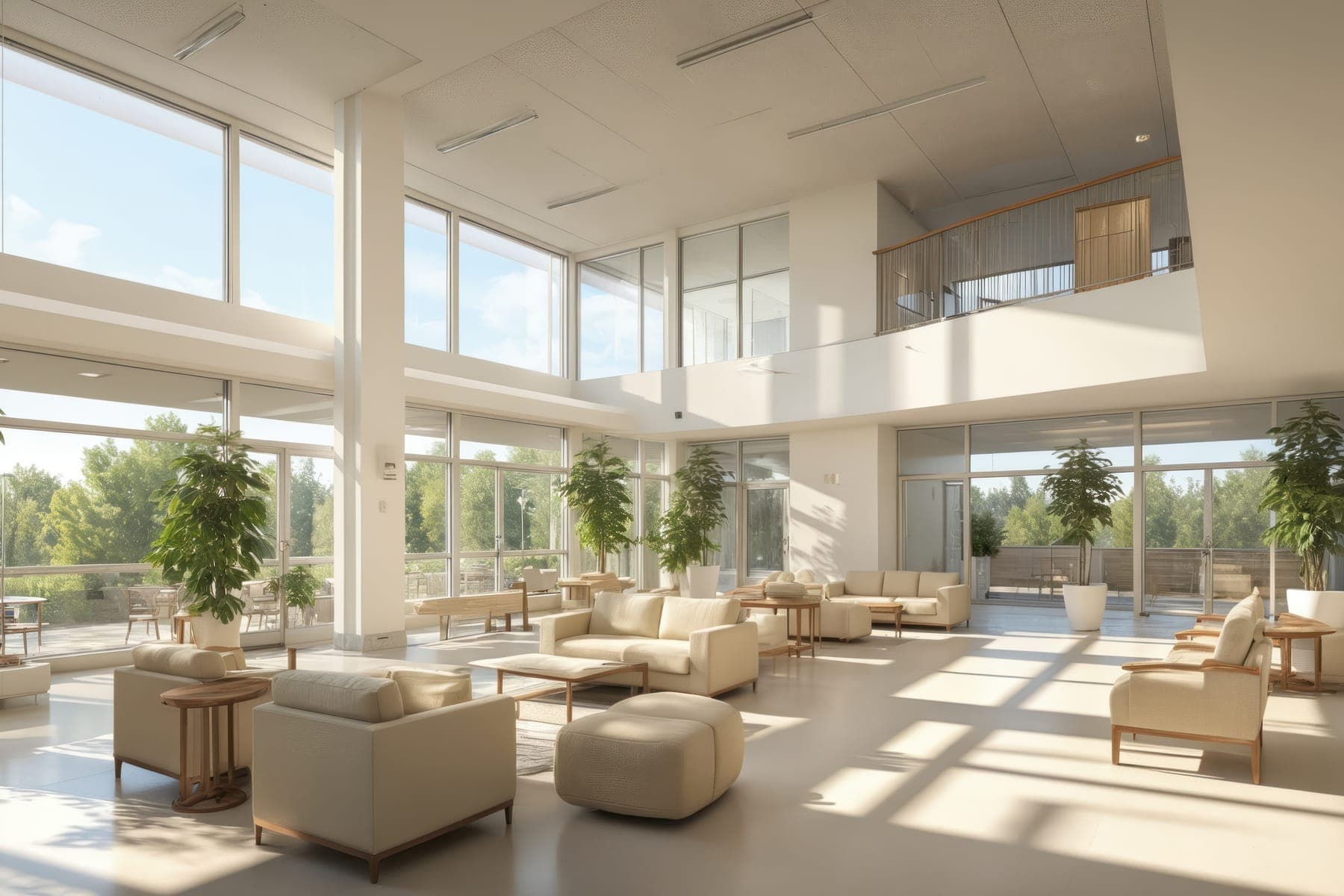
Senior Living & Post-Acute Care
Independent living, assisted living, memory care, and skilled nursing — where licensure category and resident census drive both the building and the phasing.
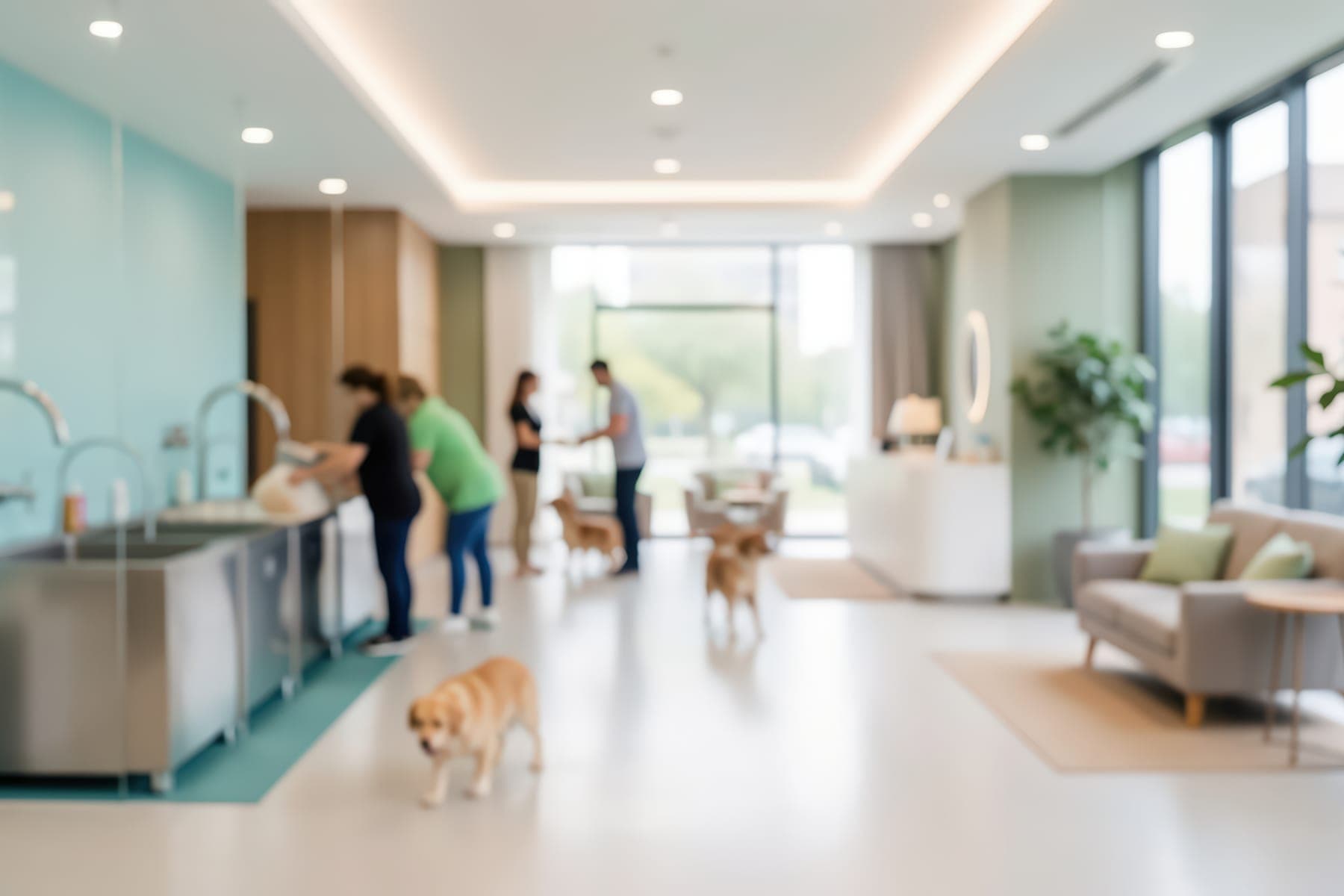
Veterinary & Animal Health
General practices, specialty and emergency hospitals, and animal health facilities — clinical buildings with isolation, air-handling, and equipment demands of their own.
What we do
Four platforms, each built around a question a healthcare owner is already asking.
Readiness & Execution Assessment
Is this project ready to commit to?
A bounded, fixed-scope review of whether a healthcare facility project is ready to be committed to — program, approvals, equipment, phasing, budget, and governance — before the capital is.
Program Management & Owner Representation
Who is looking after the owner across the whole project?
Senior owner-side leadership of a healthcare facility project or program, coordinating clinical users, design, equipment, the builder, and regulators from design through opening.
Capital Planning & Investment Assurance
Does the plan behind the number hold up?
Independent review of healthcare capital plans, budgets, and schedules, and ongoing monitoring for the boards, investors, and lenders funding them.
Project Recovery & Special Situations
Where does the project really stand, and how do we get it back?
An independent diagnosis of a healthcare facility project that is over budget, behind schedule, or in dispute, and a recovery plan the owner can act on.
Insights
Owner-side notes on healthcare facility capital.
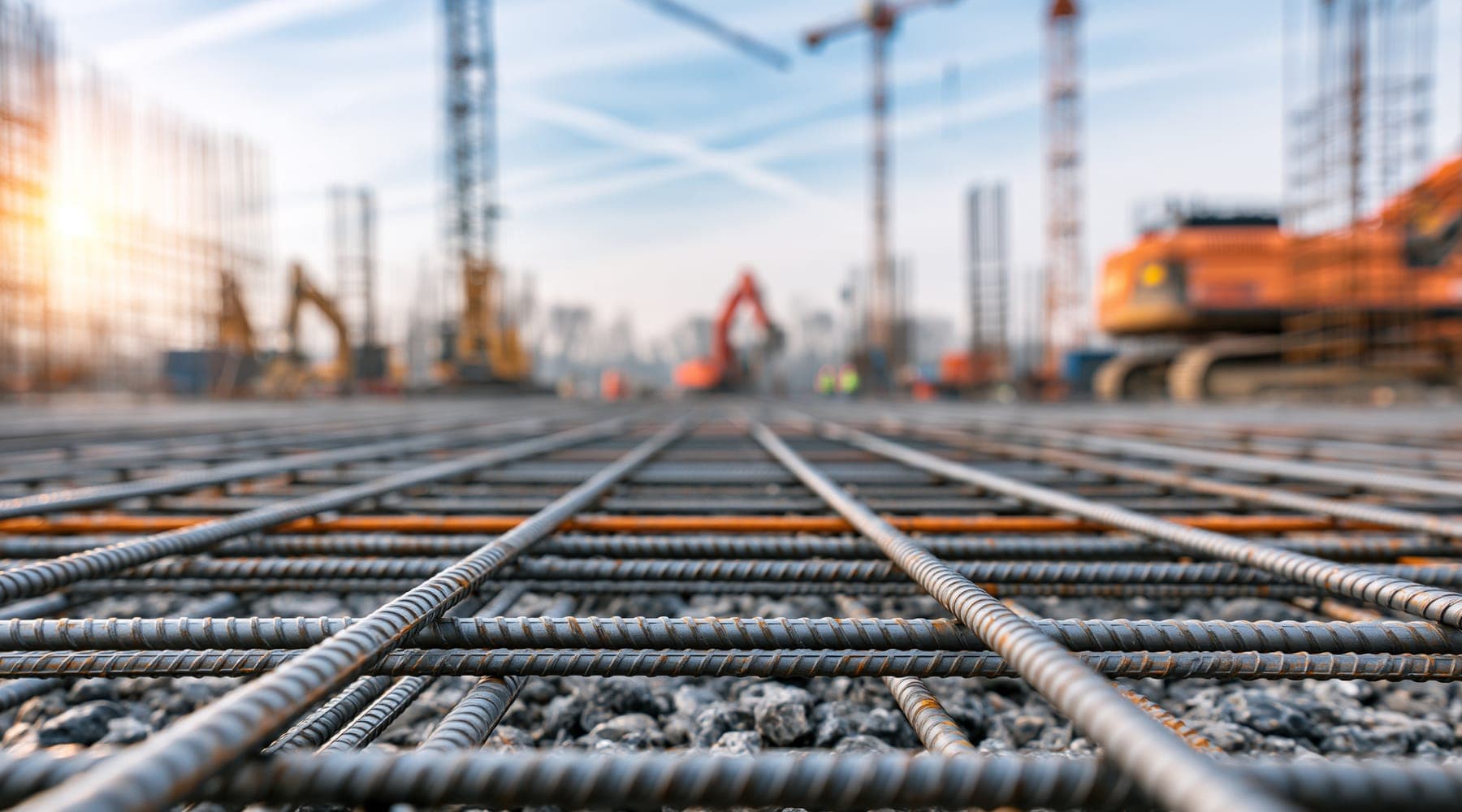
A troubled healthcare project is recovered by rebuilding its decisions, not by adding money
Overruns, delays and disputes are symptoms. Underneath them sit decisions that were never made, made by the wrong people, or quietly reversed. Funding the symptoms without rebuilding the decisions pays for the same drift twice.
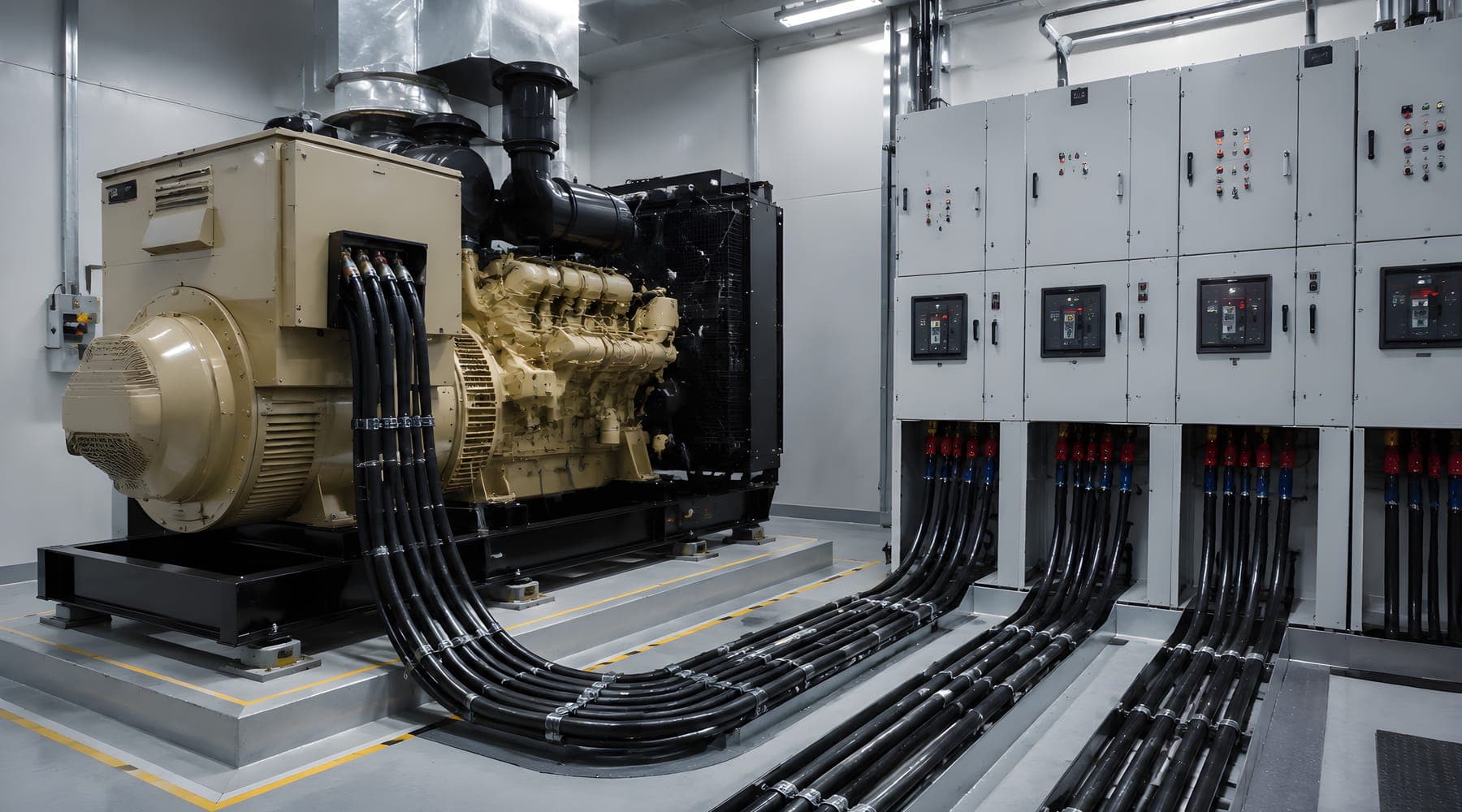
Resilience is a program requirement, set before the first drawing
Codes and standards set the minimum a healthcare building must do when utilities fail. How long it must keep operating, and which services it must keep running, are owner decisions that shape the building from the start.
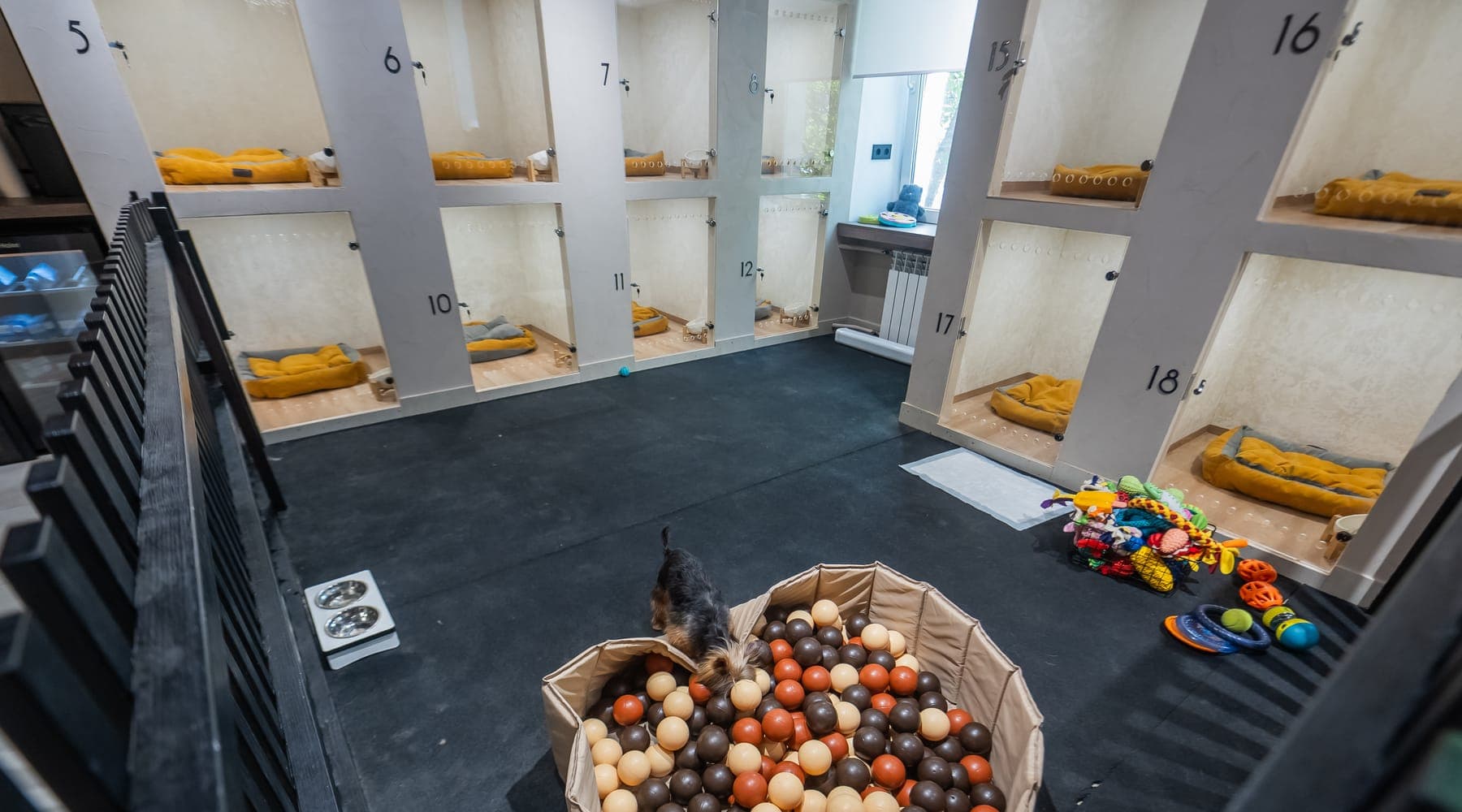
A veterinary hospital is a healthcare building with different rules and the same physics
Animal hospitals invite planning as commercial buildings because they fall outside human healthcare licensure. Their infection control, air handling, imaging, noise and species separation make the same physical demands as any clinical building.