
Six kinds of care facility, one owner-side discipline.
A hospital tower, a surgery center, a psychiatric unit, a research vivarium, a memory care wing, and an animal hospital answer to different regulators. They share one problem: the building has to satisfy people who never sign the construction contract.
The six sectors
Different occupants and rules. The same need for an advisor on the owner's side.

Hospitals & Health Systems
Towers, additions, renovations, and the central plant and infrastructure behind them — inside buildings that never close, where patients, surveyors, and plan reviewers all shape the schedule.
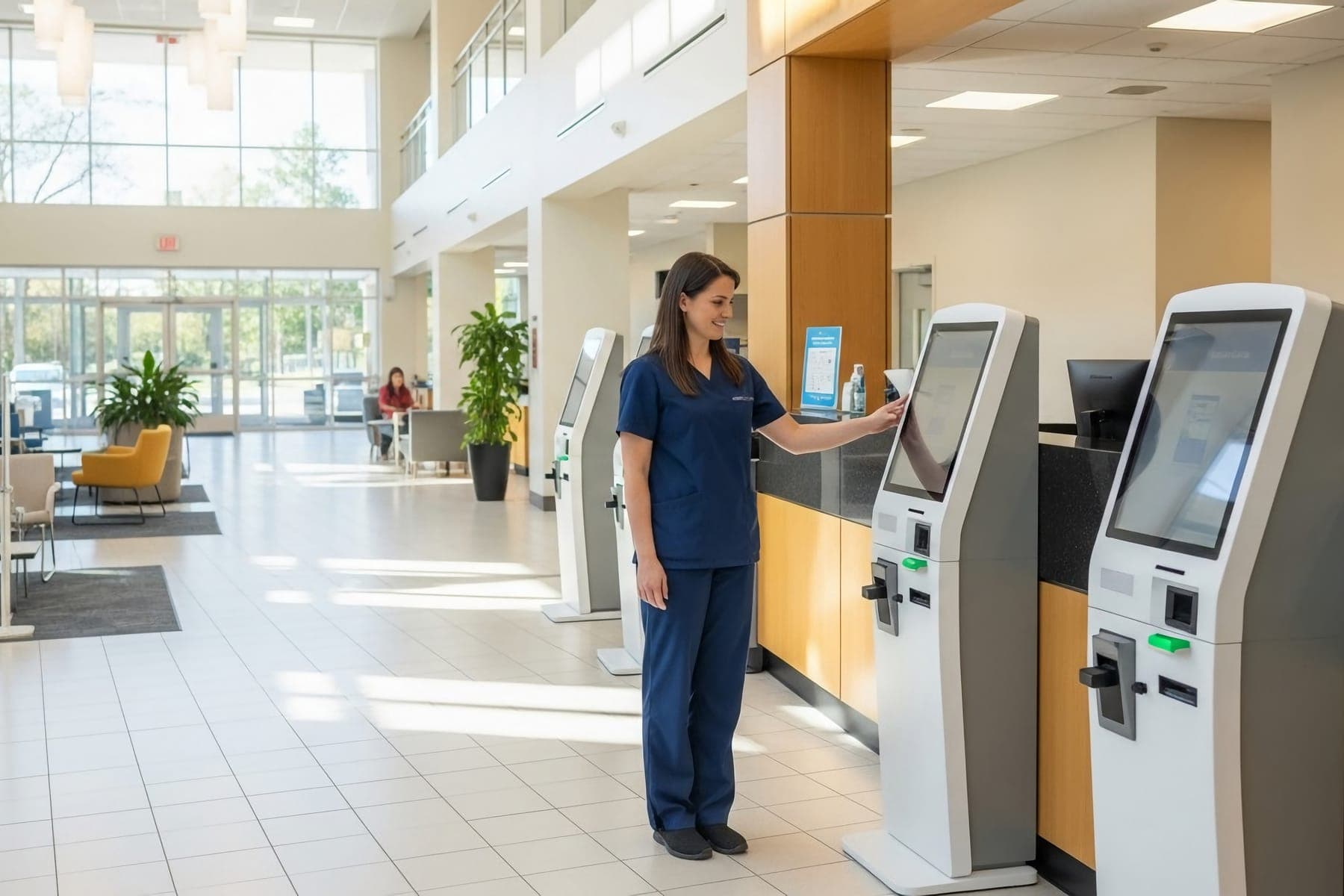
Ambulatory & Outpatient
Surgery centers, urgent care, clinics, dental practices, and medical office buildings — fast programs where licensure class and tenant fit-out decide the timeline.
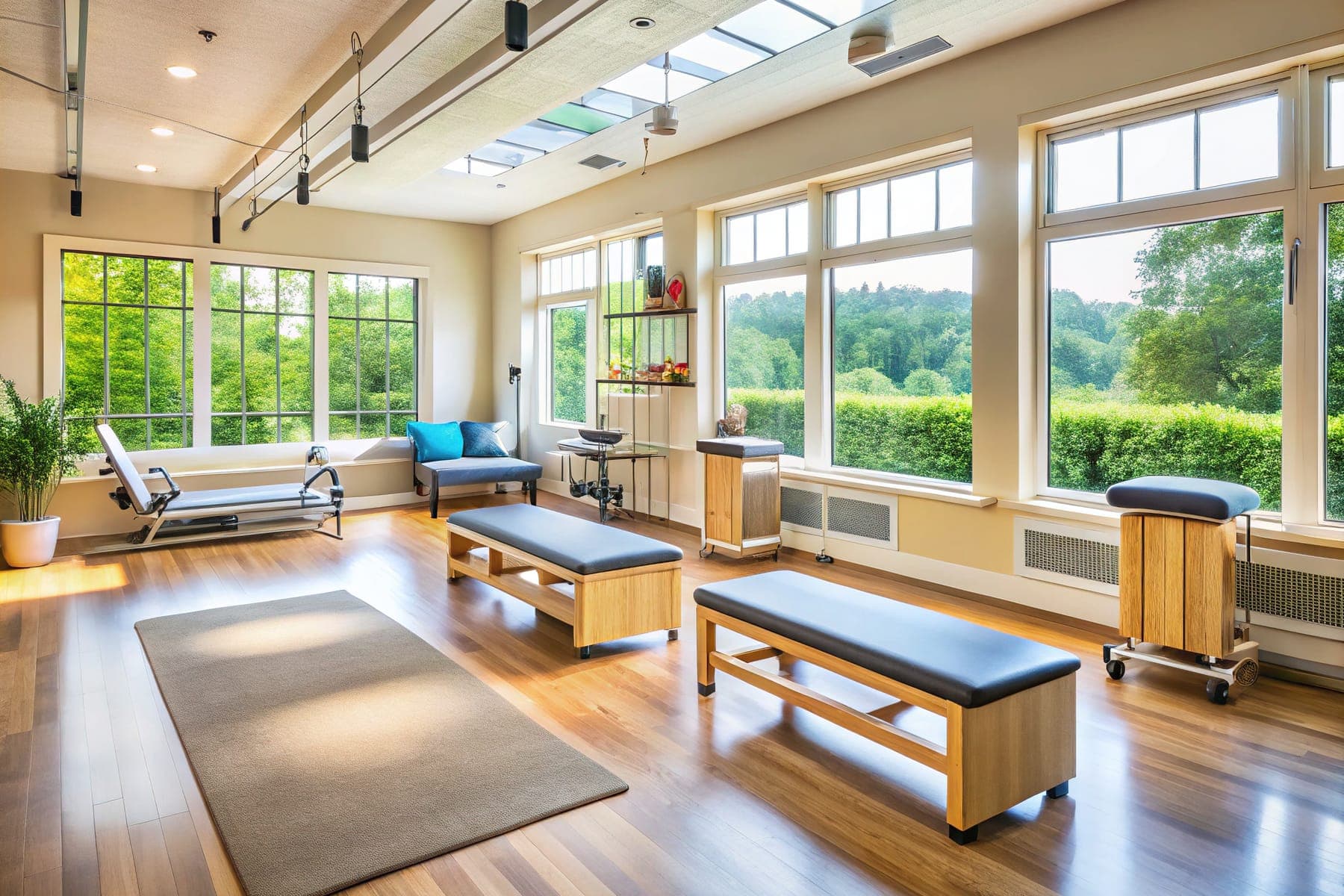
Behavioral & Psychiatric Facilities
Inpatient psychiatric units, crisis centers, and residential treatment — where patient safety decisions change the building and cannot be left to the end.

Academic Medical Centers & Biomedical Research
Research laboratories, vivariums, and clinical-academic buildings — where the systems behind the walls cost more than the walls, and the users change with every grant.
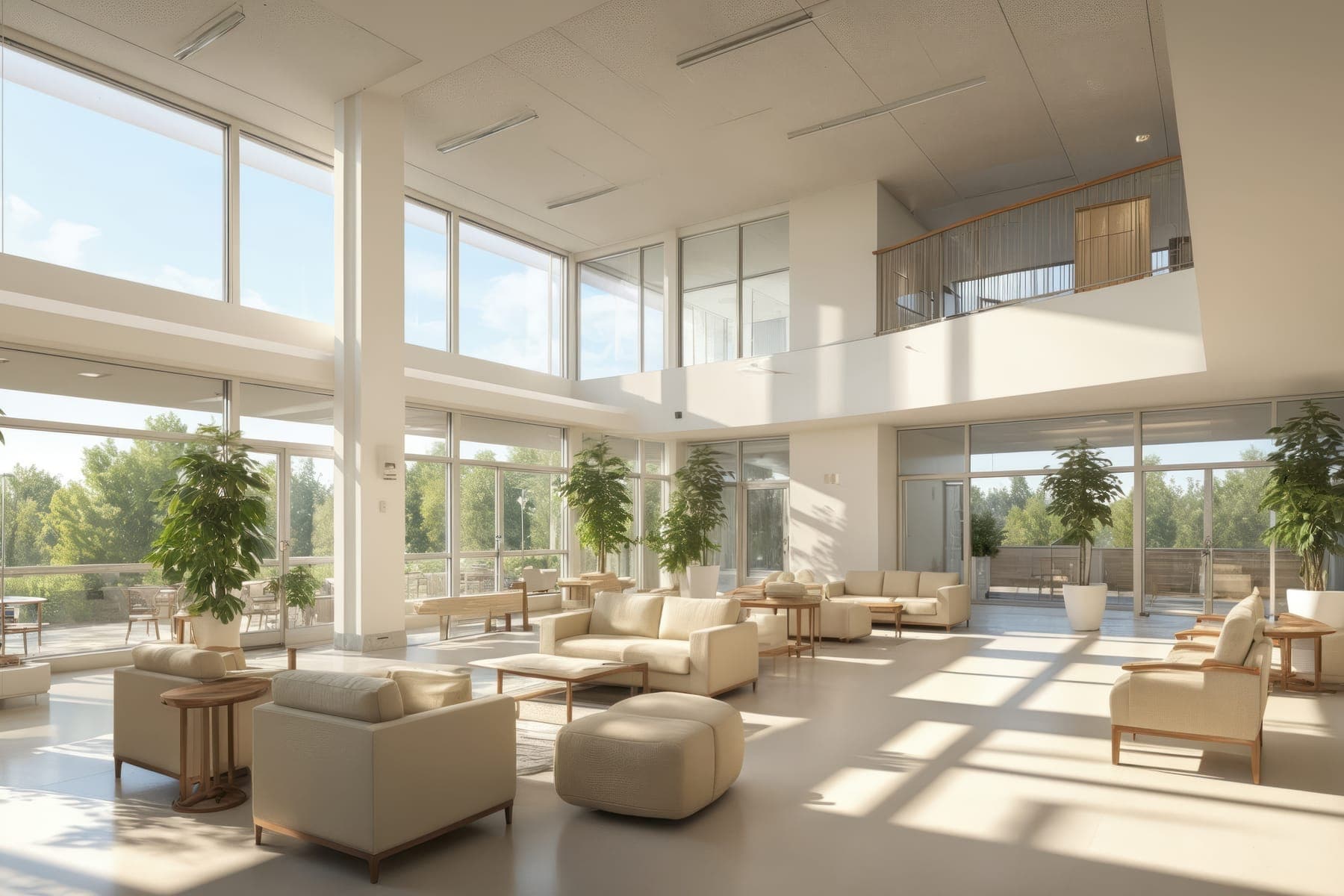
Senior Living & Post-Acute Care
Independent living, assisted living, memory care, and skilled nursing — where licensure category and resident census drive both the building and the phasing.
Veterinary & Animal Health
General practices, specialty and emergency hospitals, and animal health facilities — clinical buildings with isolation, air-handling, and equipment demands of their own.
The schedule is set outside the site fence.
In every one of these facilities, the dates that matter are controlled by someone other than the builder: a plan reviewer, a licensing agency, a surveyor, an equipment manufacturer, or a clinical team that has to keep working.
Each depends on specialist equipment chosen, and sometimes ordered, before the design is complete. Each has to pass an inspection or survey before it can take its first patient or animal. Each has users whose requirements shift as the design becomes real.
Holding those threads together for the owner is the work, and it is the same work whether the building treats people, houses research, or cares for animals.